
Zerolaw Blog
Notes from building data infrastructure for Physical AI.
Practical perspectives on ego data quality, human demonstrations, hardware systems, and the training workflows behind embodied intelligence.
Latest articles
Research notes and engineering perspectives from Zerolaw.
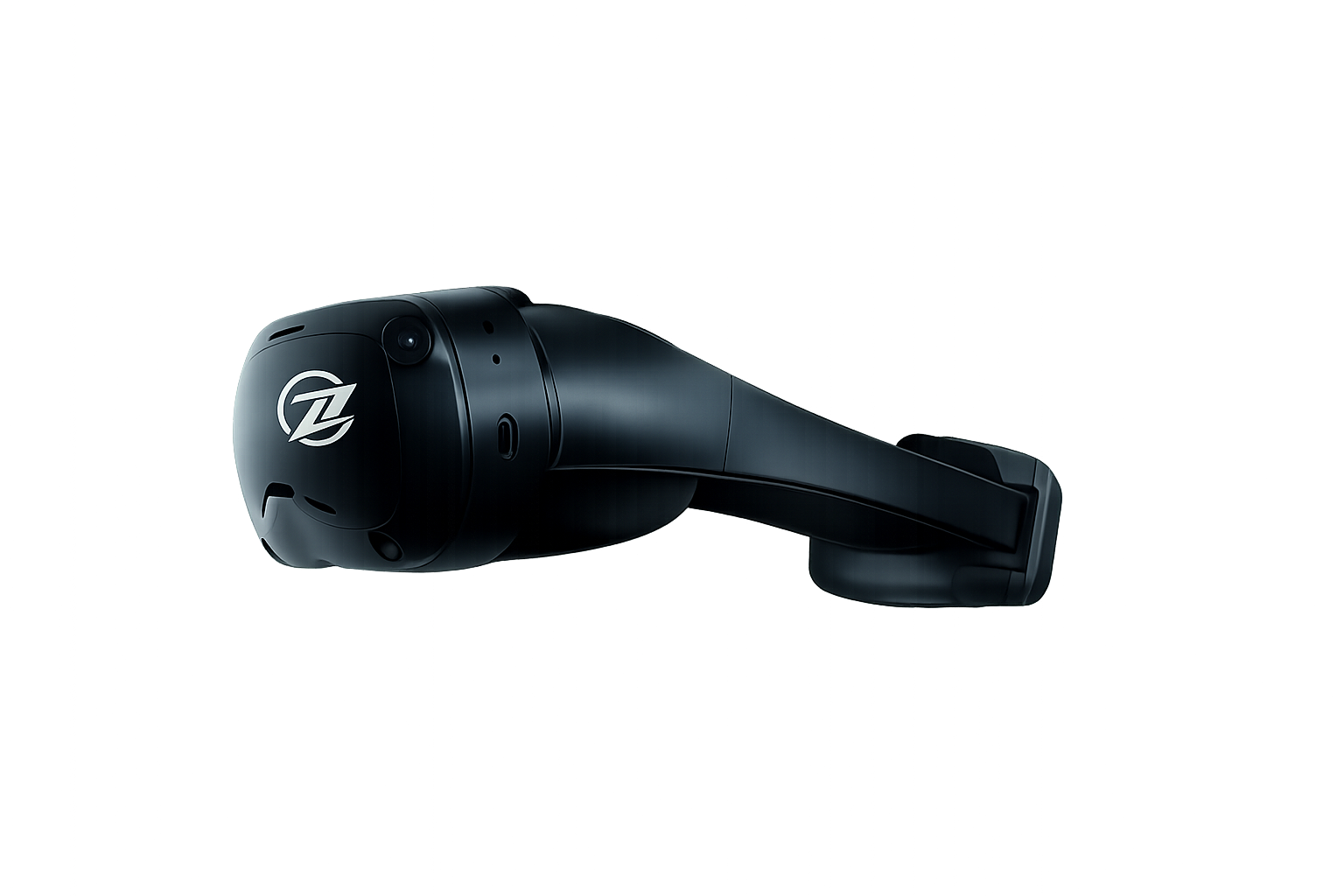
How to Choose Egocentric Data Collection Hardware for Robotics
Evaluate visibility, depth, IMU, timing, calibration, and exports before choosing a wearable capture system.
Read article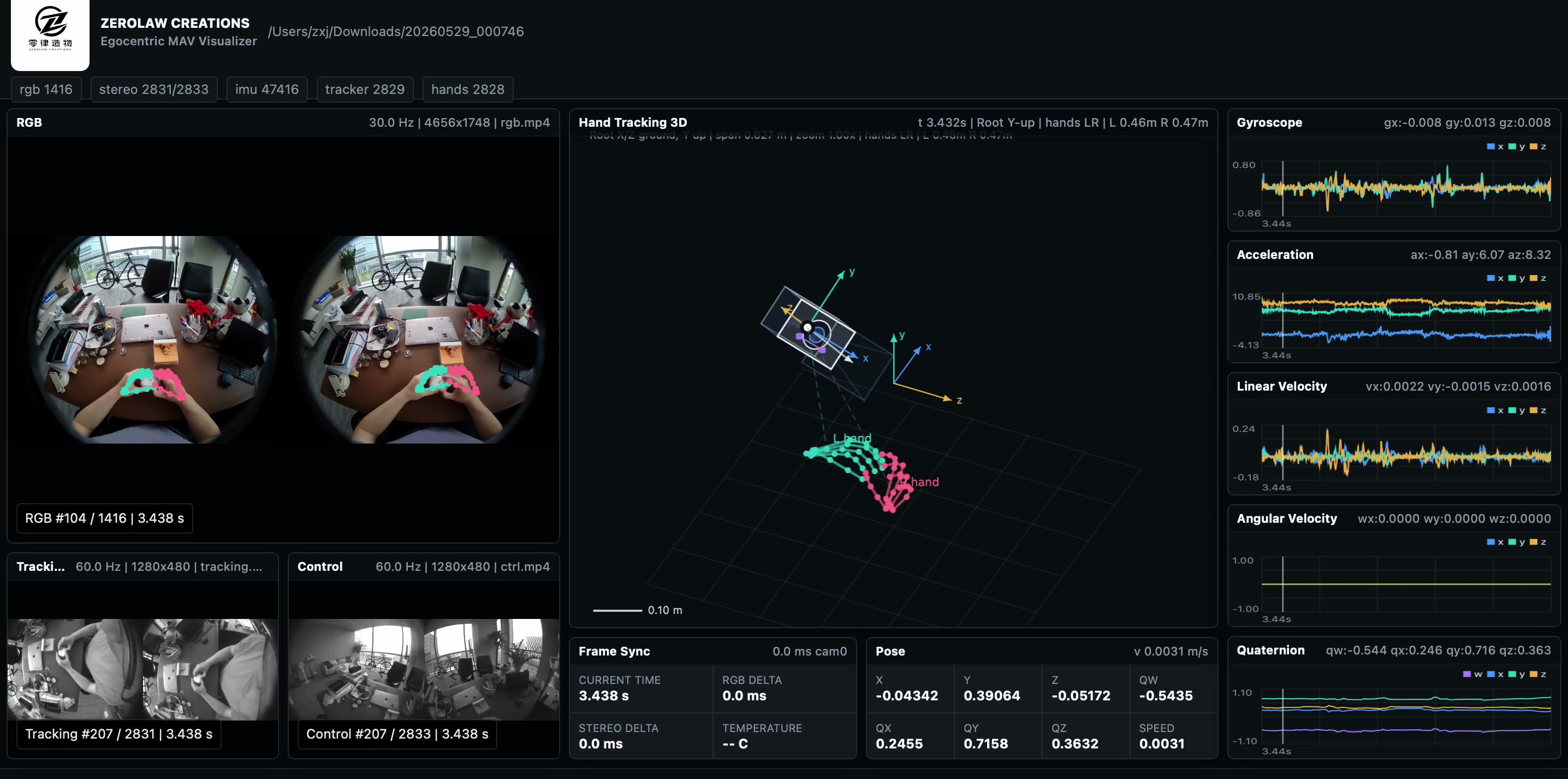
RGB-D and IMU Wearable Capture for Robot Learning
What appearance, depth, and motion contribute to an episode, with practical checks for alignment and data quality.
Read article
Physical AI vs Embodied AI: a practical distinction
The terms overlap, but they emphasize different scopes. Here is what the distinction means for systems that must learn from and operate in the real world.
Read article
What is Physical AI data?
How observations, motion, actions, geometry, task context, and outcomes become trainable episodes.
Read guide
How robotics data collection works
Protocols, instrumentation, field operations, quality gates, and model-ready episode delivery.
Read guide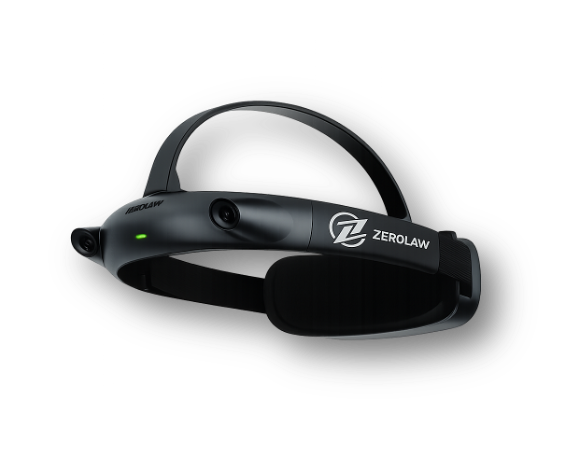
Human demonstration data for imitation learning
Preserving expert perception, motion, task context, action, and outcome in one episode.
Read guide
What makes Physical AI data trainable?
Why alignment, calibration, task context, and provenance matter more than raw footage volume.
Read article
Why ego data and egocentric demonstrations matter
First-person data preserves the relationship between perception, intent, and action.
Read article
Designing hardware around the data contract
Sensor choices should begin with the learning objective, not a maximal specification sheet.
Read articleBuild with Zerolaw